
- Step 1: Planning the Right Way
- Step 2: Understanding Tools & Resources
- Step 3: Getting Started the Right Way
- Step 4: Building Consistency & Routine
- Step 5: Learning & Improving Continuously
- Step 6: Avoiding Common Mistakes
- Step 7: Advanced Tips for Better Results
- Step 8: Measuring Progress & Results (Analytics / Progress Image)
- Step 9: Final Execution & Long-Term Success
- Conclusion:
Every successful journey begins with clarity. Before starting anything new—whether it’s learning a skill, using a tool, following a process, or making a decision—it is important to understand the basics clearly. This ultimate guide is designed to give you a complete overview from the very beginning to the final stage, without confusion or technical complexity.
Many people fail not because they lack effort, but because they lack proper guidance. This guide simplifies complex ideas into easy-to-understand explanations, helping beginners and experienced users alike. From understanding the foundation to applying advanced insights, this guide ensures you stay informed at every step.
What this guide helps you with:
- Clear understanding from zero level
- Step-by-step learning flow
- Practical and actionable knowledge
- Confidence to move forward without doubt
Step 1: Planning the Right Way
Planning is the backbone of success. Without a clear plan, even the best ideas can fail. This step focuses on setting goals, understanding requirements, and preparing mentally and practically before starting.
Proper planning helps you avoid mistakes, save time, and stay focused. It allows you to break down a big task into smaller, manageable steps, making the process less overwhelming.
Key elements of effective planning:
- Defining clear goals and outcomes
- Understanding tools or resources needed
- Setting realistic timelines
- Identifying possible challenges in advance
A strong plan creates direction and builds confidence.
Step 2: Understanding Tools & Resources

No process is complete without the right tools and resources. Choosing suitable tools makes work easier, faster, and more efficient. Whether digital or physical, tools should match your skill level and purpose.
This step focuses on learning what tools are required, how they work, and how to use them efficiently. Instead of using too many tools, it’s better to focus on a few reliable ones.
Why tools matter:
- Improve productivity and accuracy
- Reduce manual effort
- Help achieve professional results
- Save time and energy
Using the right resources gives better outcomes with less stress.
- Latest App Reviews: Real Testing, Real Results

- Ultimate Guide: Everything You Need to Know from Start to Finish

- Latest Tech News 2026: Breaking Updates, Trends & Innovations

Step 3: Getting Started the Right Way
Starting is often the hardest part. Many people delay action because they feel unprepared. This step encourages taking the first practical step with confidence.
At this stage, perfection is not required. Learning happens through action. The goal is to begin, experiment, and gradually improve with experience.
Tips for a smooth start:
- Start small and simple
- Follow basic instructions carefully
- Avoid overthinking
- Learn from small mistakes
Progress begins when you take the first step.
Step 4: Building Consistency & Routine
Consistency is what turns effort into results. Doing something occasionally won’t create impact, but doing it regularly will. This step highlights the importance of building habits and routines.
A consistent routine helps maintain momentum and discipline. Even small daily actions, when repeated over time, lead to big achievements.
How to stay consistent:
- Set a fixed daily or weekly schedule
- Track progress regularly
- Avoid distractions
- Stay patient and motivated
Consistency is more powerful than motivation.
Step 5: Learning & Improving Continuously
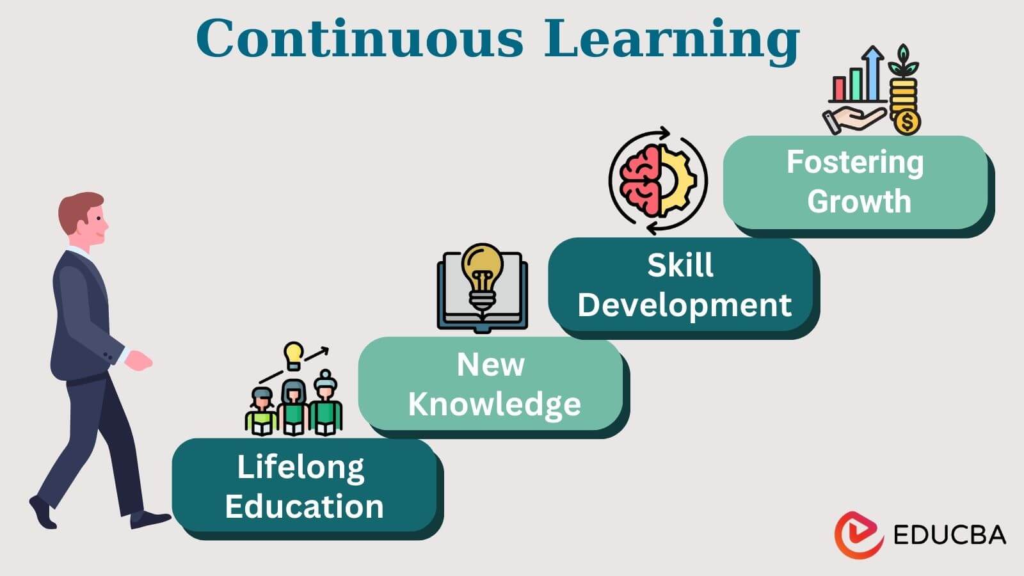
Learning doesn’t stop once you start—it evolves. Continuous improvement is essential to stay updated and effective. This step focuses on analyzing performance and upgrading skills.
Mistakes are part of growth. Instead of fearing them, use them as learning opportunities. Improvement comes from reflection and practice.
Ways to improve continuously:
- Learn from feedback and results
- Explore new methods and ideas
- Upgrade skills regularly
- Stay open to change
Growth happens when learning becomes a habit.
Step 6: Avoiding Common Mistakes
Every journey has obstacles, but many failures happen due to avoidable mistakes. Understanding common mistakes helps save time and frustration.
This step prepares you to recognize errors early and take corrective action before problems grow bigger.
Common mistakes to avoid:
- Skipping the basics
- Rushing without planning
- Ignoring feedback
- Giving up too early
Awareness is the first step toward prevention.
Step 7: Advanced Tips for Better Results
Once the basics are clear, advanced strategies help enhance results. This step focuses on optimization, efficiency, and smart techniques that improve overall performance.
Advanced tips help you stand out and achieve results faster with less effort.
Advanced improvement tips:
- Use smart shortcuts and tools
- Focus on quality over quantity
- Analyze data and outcomes
- Stay updated with trends
Smart work leads to smarter results.
Step 8: Measuring Progress & Results (Analytics / Progress Image)

Tracking progress is essential to know whether efforts are working or not. Measurement provides clarity and motivation.
This step emphasizes the importance of reviewing performance and making adjustments when needed.
Why progress tracking matters:
- Identifies strengths and weaknesses
- Helps improve decision-making
- Keeps motivation high
- Ensures steady improvement
What gets measured gets improved.
Step 9: Final Execution & Long-Term Success
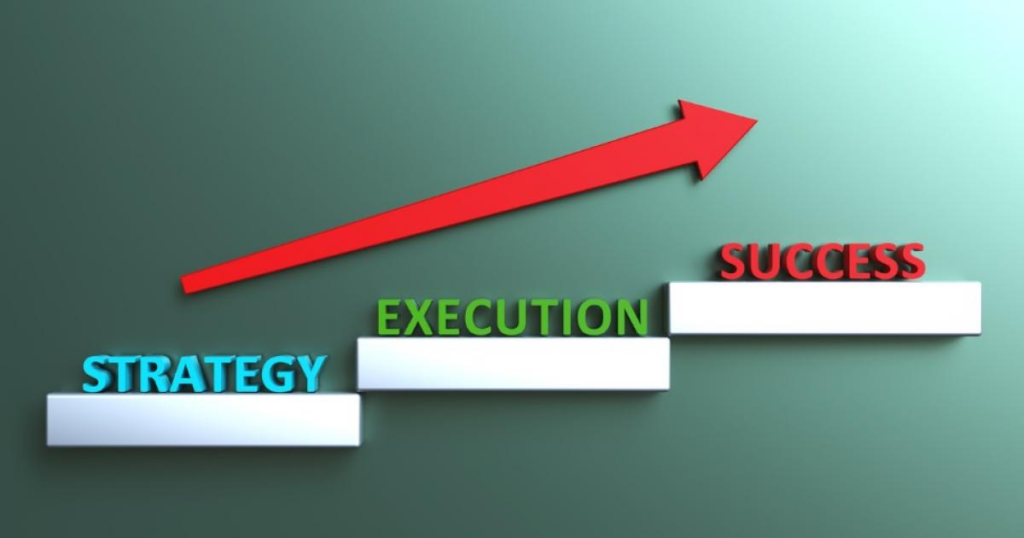
The final step is about execution and sustainability. True success comes from applying knowledge consistently over time.
This phase focuses on long-term mindset, discipline, and adaptability. Success is not a one-time event but a continuous process.
Keys to long-term success:
- Stay committed to goals
- Keep learning and adapting
- Maintain balance and patience
- Celebrate small wins
Long-term success is built through consistent effort.
Conclusion:
This ultimate guide has taken you through every stage—from understanding the basics to achieving long-term success. By following each step carefully and staying consistent, you can confidently move forward without confusion.
Remember, every expert was once a beginner. What matters most is starting, learning, and improving step by step. Use this guide as a roadmap, and you’ll be well-prepared to succeed from start to finish.
Note: This guide is intended for informational and educational purposes only. The content is based on general research and practical understanding, and results may vary depending on individual use and circumstances. Readers are advised to apply the information responsibly and verify details from reliable sources when necessary.
#UltimateGuide #CompleteGuide #StepByStepGuide #BeginnerGuide #HowToGuide #LearningGuide #SmartGuide #PracticalTips #KnowledgeHub #SuccessGuide #EasyGuide #GrowthJourney#Carrerbook#Anslation.